
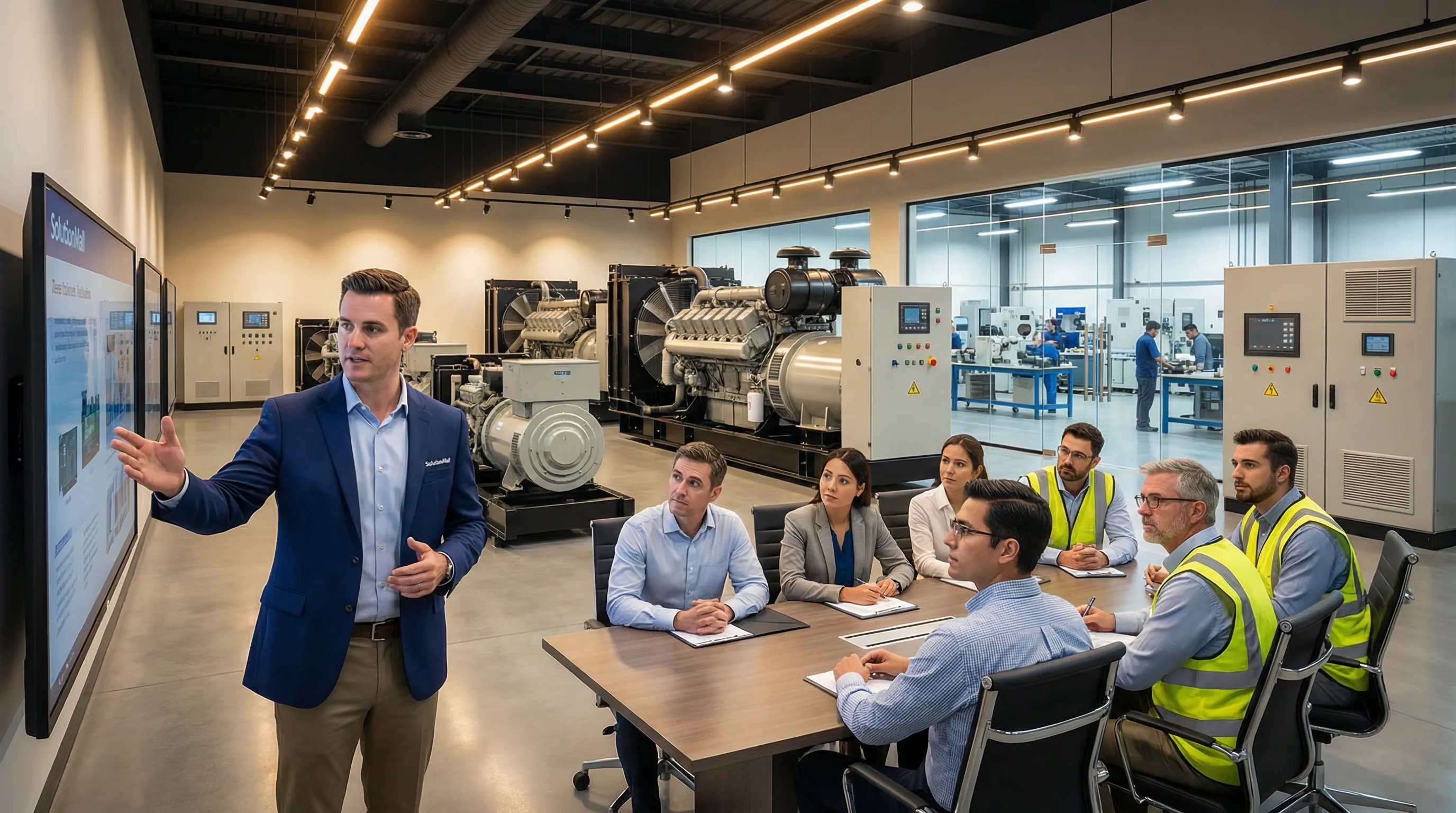
What Is a Generator, Really?
Before you can sell generators effectively, you need to understand what they truly represent — not just as equipment, but as a business-critical power reliability solution.
Power Reliability Core
A generator is not just a machine — it is the last line of defense for business continuity. When grid power fails, the generator is what keeps operations running.
Infrastructure, Not Accessory
Generators are infrastructure investments. Clients who understand this are willing to pay for quality, reliability, and long-term service — not just the lowest price.
System Anchor Product
A generator is the anchor of a complete power system. It connects with ATS, distribution panels, cables, and monitoring systems — creating a full solution sale opportunity.
High-Value, Long-Cycle
Generator sales are high-value, long decision-cycle transactions. The sales process requires technical credibility, scenario understanding, and solution design capability.
The Core Sales Mindset Shift
Stop selling generators. Start selling power reliability. Your job is not to move inventory — it is to help clients design a power system that protects their operations, assets, and people. When you make this shift, price objections decrease and deal sizes increase.
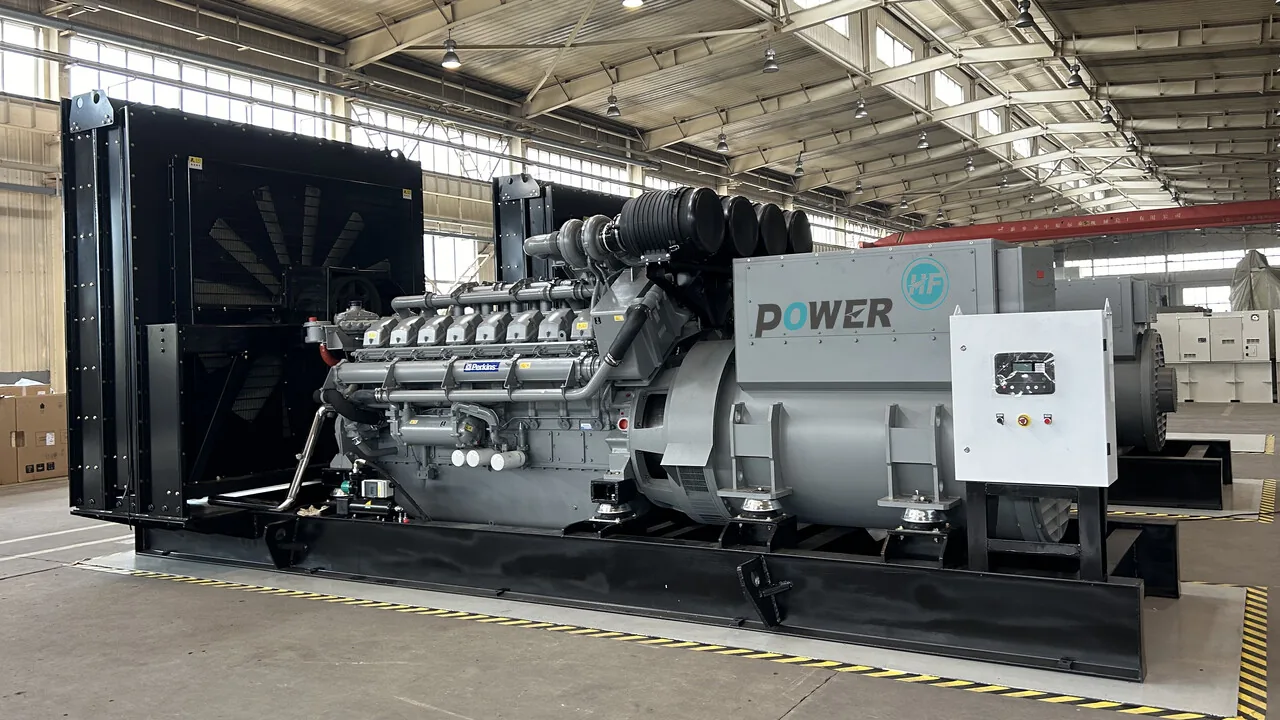
What to Sell & What to Prioritize
Understanding the two main generator categories and their positioning helps you match the right product to the right customer scenario.
| Dimension | Diesel Generator | Gasoline Generator |
|---|---|---|
| Power Range | 10kW – 2000kW+ | 1kW – 15kW |
| Primary Use | Backup power, industrial, continuous | Portable, outdoor, emergency |
| Target Client | Enterprises, factories, data centers | Contractors, events, households |
| Sales Priority | ★ Primary Focus | Secondary / Portable |
| Deal Value | High — $5K to $500K+ | Low-Medium — $500 to $5K |
| Key Selling Point | Reliability, runtime, load capacity | Portability, ease of use, price |
Industrial & Continuous Power
Mining, manufacturing, remote facilities. Requires high-capacity diesel units with long runtime and robust service support.
Backup & Emergency Power
Data centers, hospitals, commercial buildings. ATS-integrated diesel systems with fast start capability and N+1 redundancy.
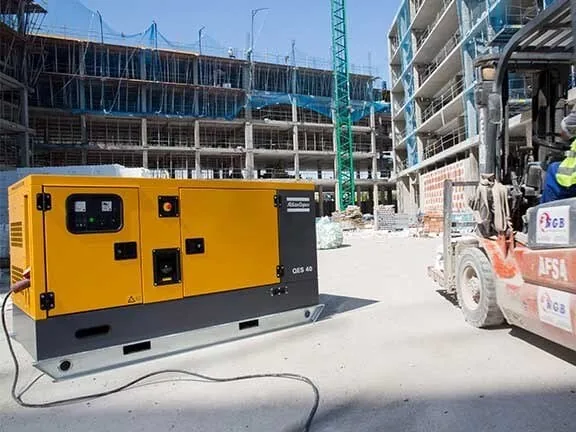
Portable & Event Power
Construction sites, outdoor events, temporary installations. Gasoline or small diesel units with easy transport and quick setup.
Who Buys & Why They Buy
Understanding your customer's buying motivation and decision context is the foundation of effective generator sales.
🔴 Crisis-Driven Buyers
Just experienced a power outage. Emotionally motivated. Act fast but may underestimate requirements. Help them size correctly and avoid repeat problems.
📋 Planned Infrastructure
New facility construction or expansion. Rational, specification-driven. Needs technical documentation, compliance proof, and competitive pricing.
🔄 Replacement & Upgrade
Aging equipment or capacity expansion. Already understands generators. Focus on upgrade value, efficiency gains, and service continuity.
📦 Project & Tender
EPC contractors, government projects, large commercial builds. Price-sensitive but needs full documentation, certifications, and delivery reliability.
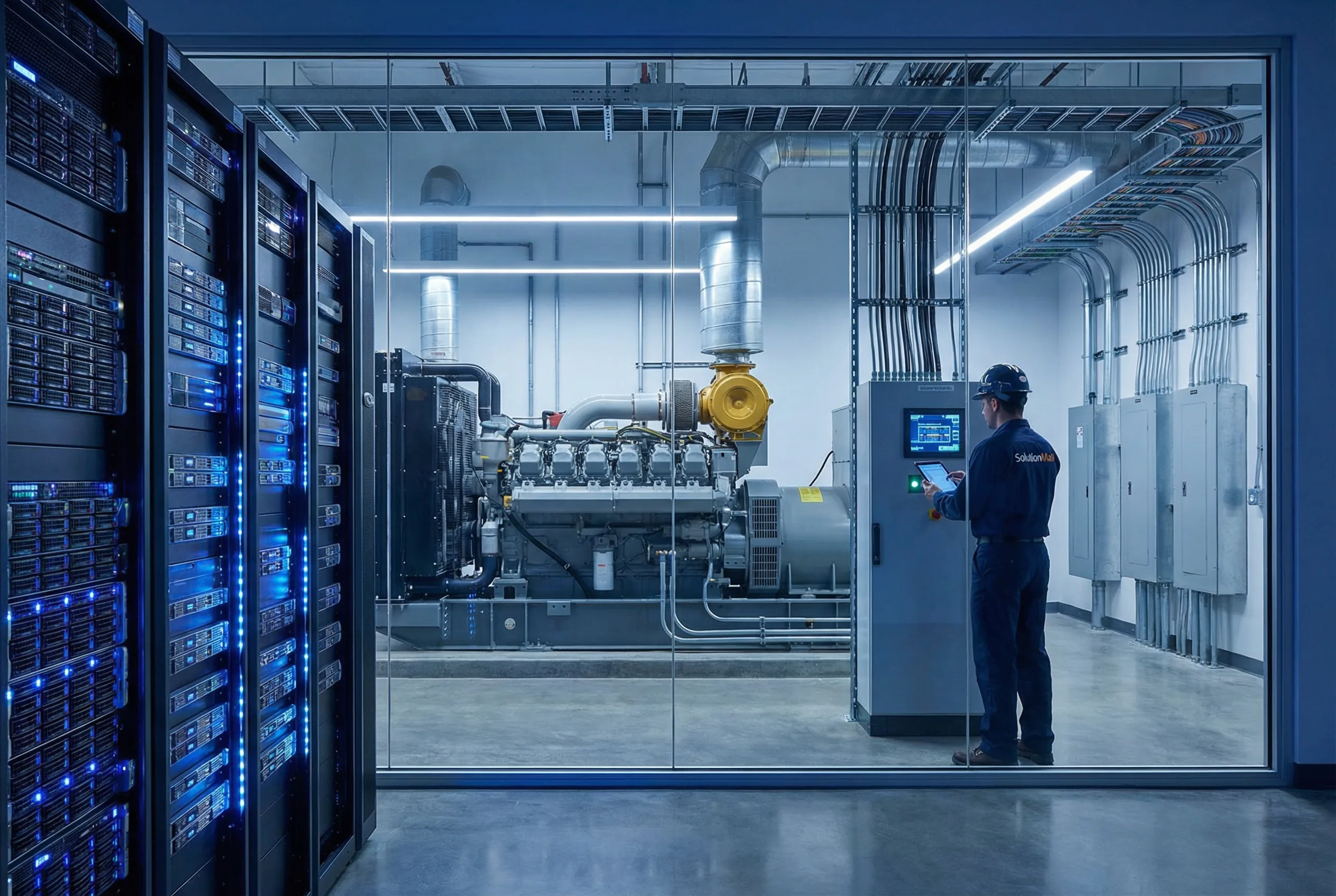
Key Target Segments
Healthcare & Critical Facilities
Hospitals, clinics, data centers. Zero-tolerance for downtime. Highest value segment — sell reliability and compliance.
Mining & Remote Industry
Off-grid operations requiring continuous power. High capacity, fuel efficiency, and service network are key decision factors.
Construction & Infrastructure
Temporary power for construction sites. Needs portability, durability, and fast delivery. Often repeat buyers across projects.
Sell the Scenario, Not the Spec
The most effective generator sales conversations start with the customer's scenario — their environment, risks, and operational requirements — not with product specifications.
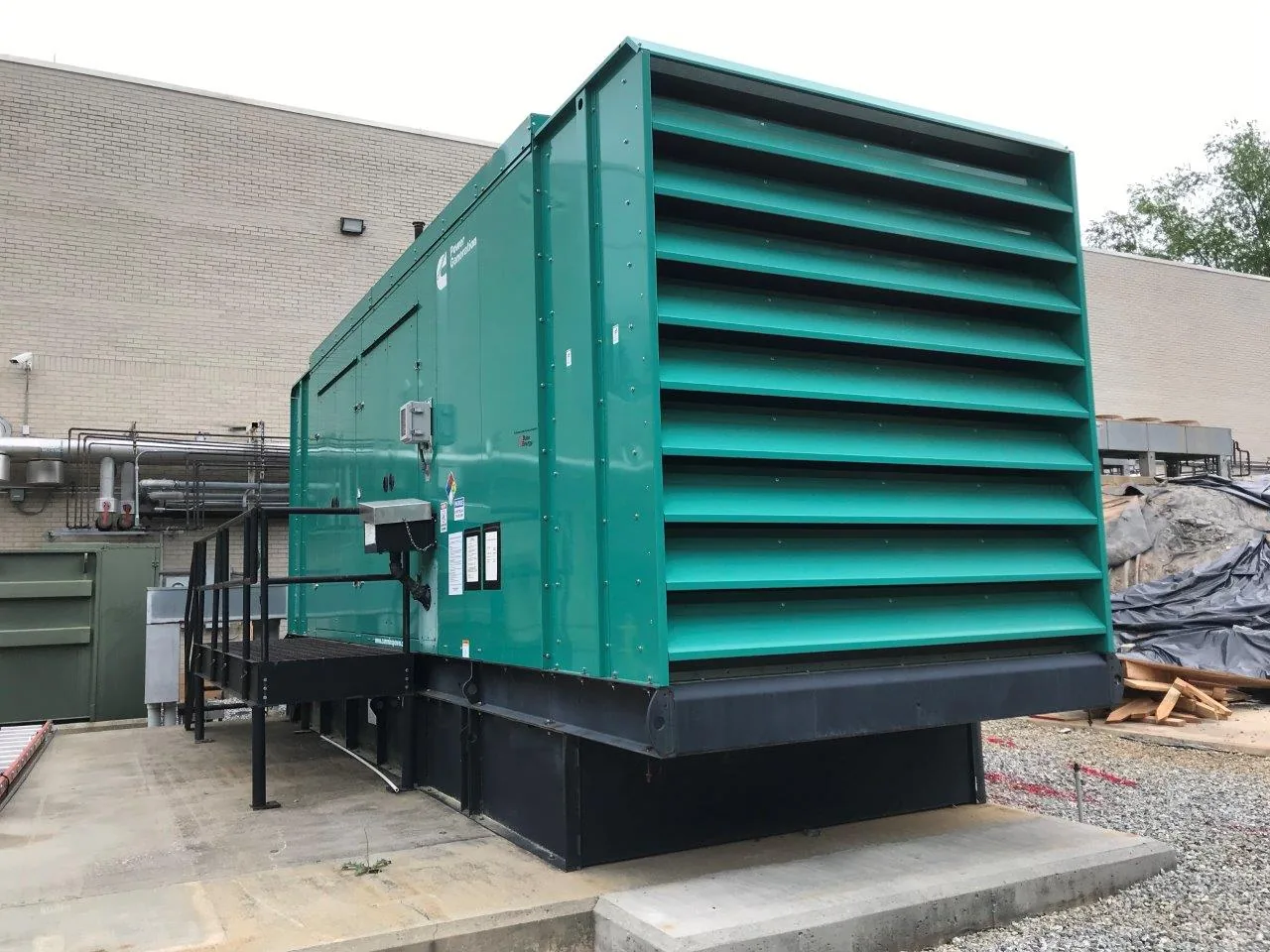
Critical Backup Power Systems
Data centers, hospitals, commercial buildings, and financial institutions require uninterrupted power. A single outage can cost millions.
Sales Focus
Lead with reliability metrics: MTBF, startup time (<10s), load acceptance rate. Emphasize ATS integration and N+1 redundancy design.
Selection Risk
Undersizing is the #1 mistake. Always calculate actual load with 20-30% growth margin. Never recommend the minimum — recommend the right size.
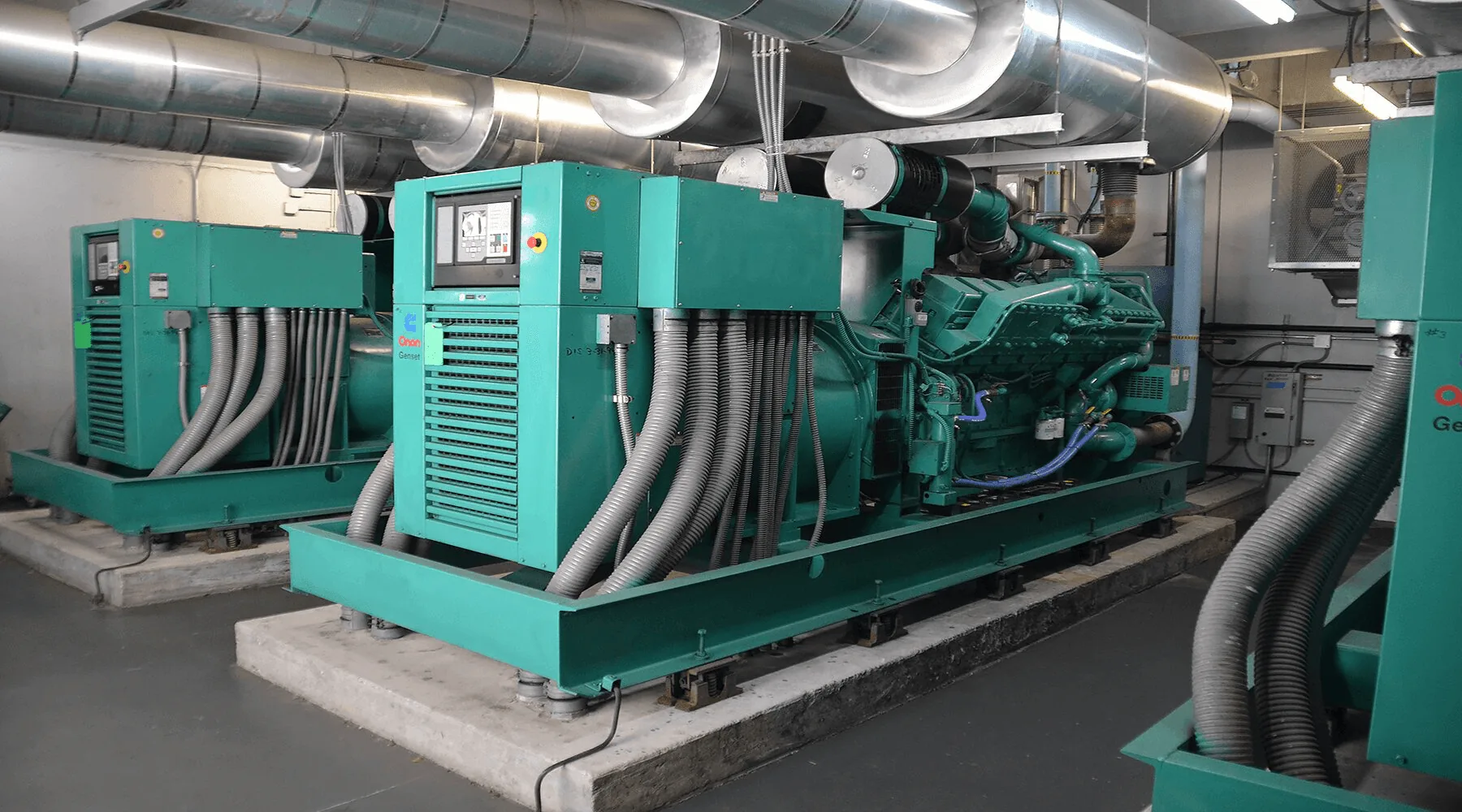
Industrial & Off-Grid Power
Mining operations, remote manufacturing, and off-grid facilities need continuous, reliable power as their primary energy source.
Sales Focus
Emphasize fuel efficiency (L/kWh), continuous duty rating, service intervals, and parts availability. Total cost of ownership matters more than purchase price.
Selection Risk
Standby-rated units in continuous duty applications will fail prematurely. Always confirm duty cycle and specify prime or continuous-rated units accordingly.
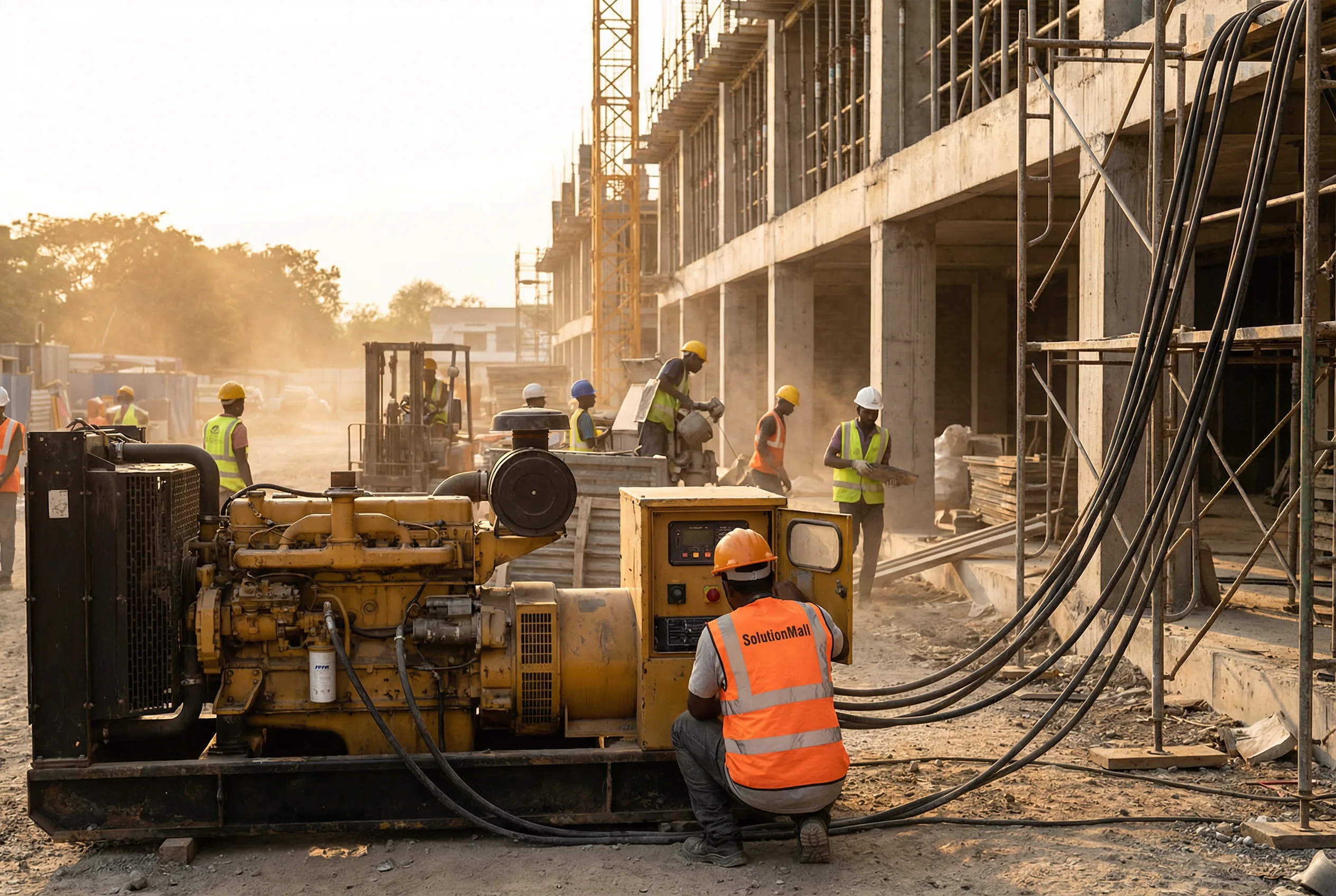
Construction Site Power
Construction projects need reliable temporary power for tools, lighting, and site offices. Requirements change as the project progresses.
Sales Focus
Highlight durability, weatherproofing, ease of transport, and fuel tank capacity. Contractors value reliability and low maintenance over premium features.
Selection Risk
Ignoring harmonic distortion requirements for sensitive equipment (VFDs, PLCs). Always ask about connected loads before recommending a unit.
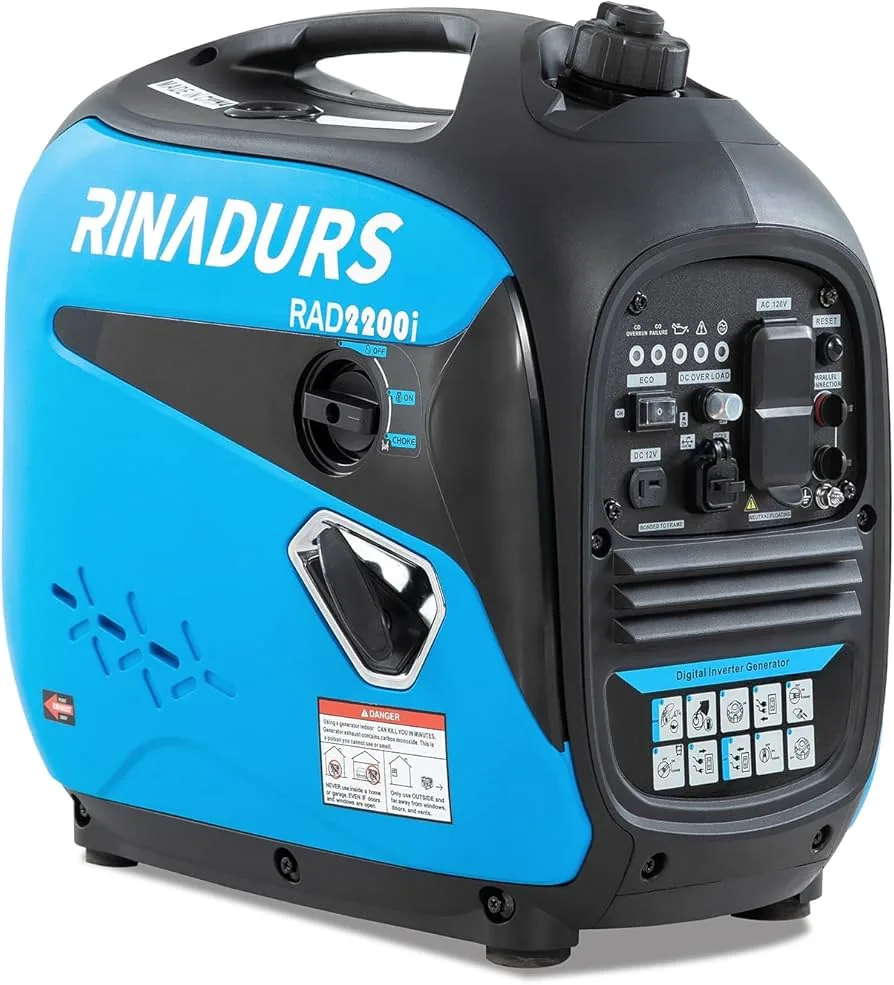
Portable & Event Power
Outdoor events, film productions, emergency response, and recreational use require compact, easy-to-use power solutions.
Sales Focus
Lead with noise level (dB), weight, inverter technology for sensitive electronics, and runtime per tank. Ease of use is the primary decision factor.
Selection Risk
Conventional generators for sensitive electronics (laptops, medical equipment) can cause damage. Always recommend inverter generators for these applications.
What to Do & What to Avoid
Professional generator sales requires clear principles. These rules protect both the customer and your long-term business relationship.
Always size for actual load + growth margin
Calculate the real connected load, add 20-30% for future growth and startup surges. A correctly sized generator is the foundation of customer satisfaction.
Lead with scenario understanding, not product specs
Ask about the customer's environment, critical loads, acceptable downtime, and fuel availability before recommending any product.
Sell the complete system, not just the generator
Every generator sale is an opportunity to include ATS, distribution panels, cables, fuel systems, and monitoring. Complete systems deliver more value and higher margins.
Never compete on price alone
If you win on price, you lose on margin. If you lose on price, you lose the deal. Compete on value, reliability, and total cost of ownership instead.
Never recommend standby-rated units for continuous duty
This is a technical boundary that cannot be crossed. Standby units in continuous applications will fail, damage the customer's operations, and destroy your reputation.
Never skip the load calculation
Guessing the required capacity is the most common and most damaging mistake in generator sales. Always do the math — it protects the customer and your credibility.
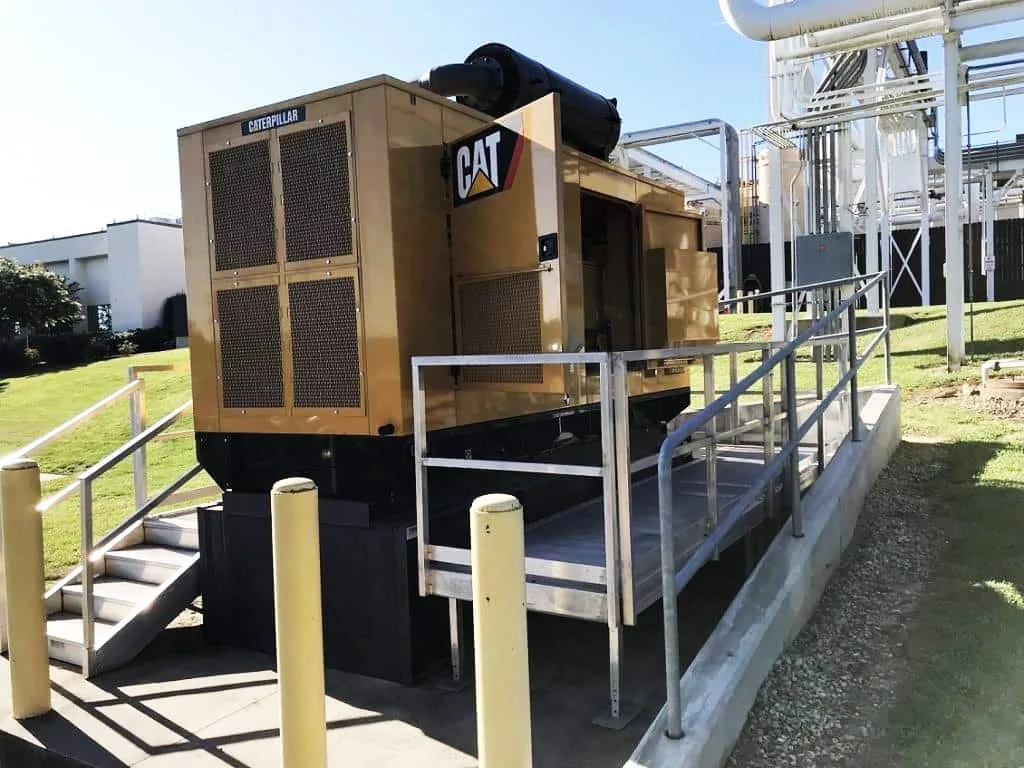
Sell the Complete Power System
A generator alone is not a power system. The highest-value sales include the complete ecosystem of components that make the generator work reliably in the customer's environment.
ATS (Auto Transfer Switch)
Essential for automatic switchover from grid to generator power. Always include in backup power system proposals. Increases deal value by 15-30%.
Distribution Panels
Load distribution and circuit protection. Required for any multi-load installation. Position as a safety and compliance requirement, not an optional add-on.
Power Cables & Connectors
Proper cable sizing prevents voltage drop and fire risk. Always specify cables as part of the system — it demonstrates technical competence and adds margin.
Fuel Systems & Storage
Day tanks, bulk fuel storage, and fuel management systems. Critical for remote and continuous-duty applications. High-margin accessory category.
Remote Monitoring
IoT-based monitoring for fuel level, runtime, fault alerts, and performance data. Increasingly required by enterprise customers. Creates ongoing service relationship.
Service & Maintenance
Annual service contracts, preventive maintenance, and emergency response. Recurring revenue stream and the strongest customer retention tool in generator sales.
What to Say When It Matters
These are the four core value statements that should anchor every generator sales conversation. Use them when the customer is evaluating, hesitating, or comparing alternatives.
Reliability Over Price
The cost of a power failure — lost production, data loss, safety incidents, regulatory fines — always exceeds the price difference between a reliable and a cheap generator. We sell reliability.
01Total Cost of Ownership
A premium generator with lower fuel consumption, longer service intervals, and better parts availability will cost less over 10 years than a cheap unit that requires frequent repairs and replacement.
02Solution, Not Equipment
SolutionMall provides complete power system solutions — not just generators. Our value is in the design, integration, and support of a system that works reliably in your specific environment.
03Technical Credibility
We understand load calculations, duty cycles, harmonic distortion, and ATS integration. When you work with SolutionMall, you get a technically competent partner — not just a product supplier.
04Turn Objections Into Opportunities
Every objection is a question in disguise. These are the six most common generator sales objections and how to respond with confidence and credibility.
Don't sell generators.
Sell reliable power systems.
Your value is not the equipment — it is the solution you design for your customer. When you truly understand the customer's scenario, risks, and needs, you are no longer a salesperson. You are a trusted power advisor.